Peccary
Background Info
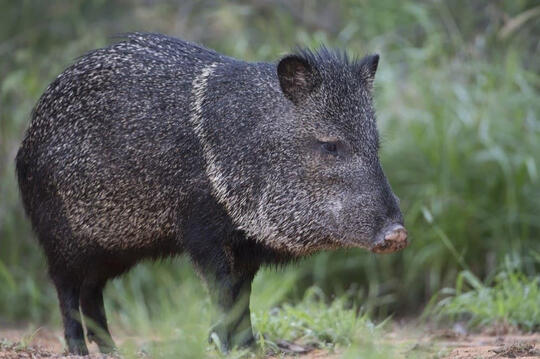
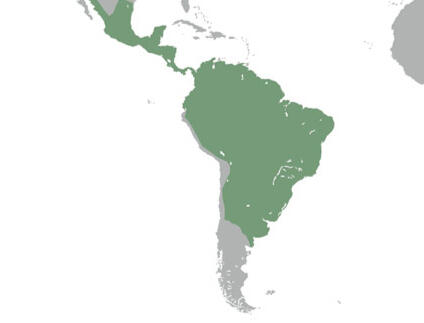
native to the US, its range extends from Arizona, New Mexico, and Texasnamed for the white area around the mouthlive in herds of 50 to over 300
Reasons for Status
acting as forest engineersthey change habitats and allow for the succession of different animals and plants
Characteristics
pig-like snoutlarge head and shoulders and small legs with hoofed feethas grizzled gray and brown bristly fur
Solutions for Protection
creation of new protected areas and wildlife corridorswell-managed forests
Bibliography
"Acting as forest engineers, they change habitats and allow for the succession of different animals and plants."
https://rainforests.mongabay.com/kids/animal-profiles/peccaries_extended.html
"The collared peccary has a pig-like snout, a large head and shoulders and small legs with hoofed feet. It has grizzled gray and brown bristly fur."
https://nhpbs.org/natureworks/peccary.htm
Florida Black Wolf
Background Info
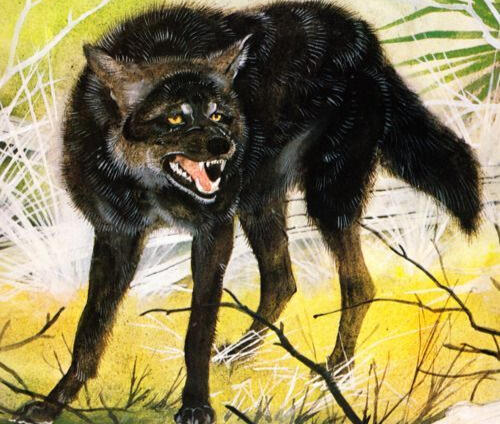
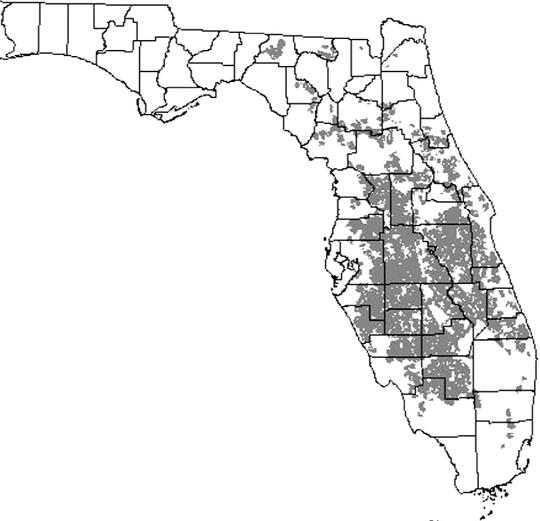
native to Florida (U.S)was a subspecies of the gray wolf, Canis lupusbecame extinct in 1908 due to crowding out of its habitat and hunting
Reasons for Status
not known
Characteristics
average size was 2.1 to 2.8 feet (for height)weight was 97 to 194 lbshad sharp nose, pointed ears, and penetrating eyes
Solutions for Protection
none since they're extinct
Bibliography
"The Florida black wolf (Canis lupus floridanus), also known as the Florida wolf and the black wolf, was a subspecies of the gray wolf, Canis lupus, though this has been contested in recent years, that lived in Florida. This subspecies became extinct in 1908 due to crowding out of its habitat and hunting."
https://johnjames.audubon.org/extinction-florida-black-wolf
"Average size: 2,1 to 2,8 feet (height)
Weight: 97 to 194 lbs"
https://wolf-stuff.com/blogs/wolf-facts/florida-black-wolf
Tropidocarpum Californicum
Background Info
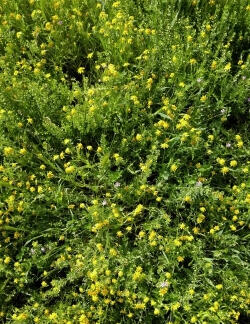
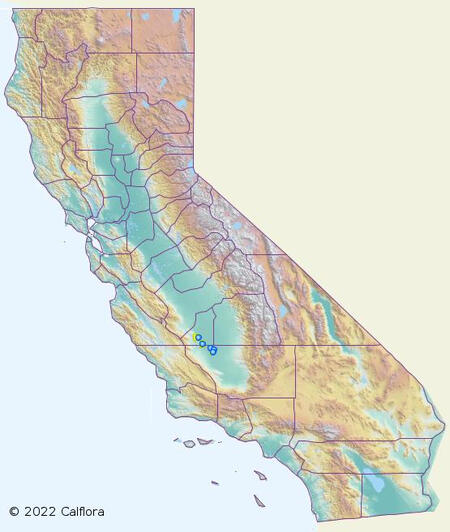
native in California (occurs in saltbrush scrub habitat)known from only Kern and King counties in the southern part of the San Joaquin Valley
Reasons for Status
not known
Characteristics
can grow up to 25 cm tallknown for its gold-like coloris an ascending or decumbent herb
Solutions for Protection
don't pluck or disturb them
Bibliography
"Tropidocarpum californicum is known from the San Joaquin Valley in Kern and Kings County, California."
"This species occurs in saltbrush scrub habitat"
https://explorer.natureserve.org/Taxon/ELEMENT_GLOBAL.2.133363/Tropidocarpum_californicum
Sumatran Tiger
Background Info
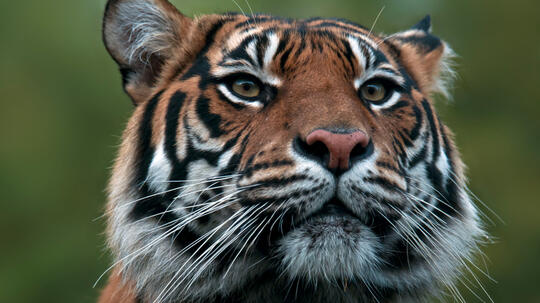
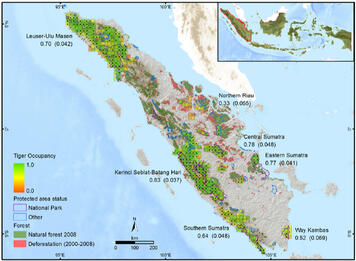
native in island of Sumatra in Indonesiathey live in rainforestssmallest of the tigers
Reasons for Status
important indicator of a forest's health and biodiversitywithout them, it can lead to forest degradation due to over-grazing by their prey animalskeep the balance between the prey animals and the forest vegetation which they feed upon
Characteristics
readily take to water and can swim wellstripes are closer togetherfur is a darker orange than other subspecies
Solutions for Protection
law enforcement to address illegal encroachment and loggingpromoting environmentally friendly livelihoods in buffer zone areasspatial and land use planning
ecosystem restoration